
Weight loss for men
- with expert support and medical treatment


Why men gain and carry weight differently
Many men tend to store fat around the abdomen, known as visceral fat. This type of fat builds up deep inside the body, around vital organs, and increases the risk of heart disease, diabetes, and hormonal changes. At the same time, low testosterone, stress, lack of sleep, and social pressures can make weight harder to manage.
Knowing what’s really driving the problem helps you tackle it more effectively - and sustainably.
Beyond diets: Real solutions for men’s health
At Yesund, we take a doctor-led, science-based approach to men’s weight management. Our team looks at the whole picture - from metabolism and hormones to mental wellbeing and lifestyle habits.
With medical treatment, personal coaching, and long-term support, we help you achieve lasting results and regain control of your health.
“Just hit the gym and have some willpower,” they say.
If only it were that simple.
Real progress starts with understanding what’s going on inside - not blaming yourself for it. At Yesund, we look beyond diet and exercise to address the real factors affecting men’s health - from hormones, stress, and sleep to mental wellbeing and metabolism. Every plan is tailored to your individual needs, helping you build lasting strength and balance, inside and out.

Erectile dysfunction and obesity
Erectile dysfunction and obesity can be closely linked, as excess body weight may affect hormones, blood flow, cardiovascular health and metabolic function. Understand the biological factors that may contribute to erectile problems, how conditions associated with obesity can influence sexual health, and why weight, overall health and erectile function are often interconnected.

Venous insufficiency and obesity
Venous insufficiency and obesity can be closely linked, as excess body weight may affect circulation and increase pressure on the veins in the legs. Understand how obesity may contribute to symptoms such as swelling, heaviness and discomfort, and why weight, blood flow and vein health are often interconnected.
Skin problems associated with overweight and obesity
Overweight and obesity can affect the skin in several ways, increasing the risk of irritation, infections and conditions such as intertrigo, acanthosis nigricans and hidradenitis suppurativa. Weight loss may reduce friction and improve metabolic health, which can help improve some skin problems.
Joint pain linked to excess weight
Joint pain and osteoarthritis are more common in men living with overweight or obesity. Weight loss can reduce strain on the joints, while adapted physical activity and appropriate treatment can help reduce pain, improve mobility and support a more active life.

Reduced male fertility and obesity
Reduced male fertility can be linked to overweight and obesity, as excess body weight may affect hormone balance, testosterone levels and sperm quality. Metabolic health, diet and physical activity can also play an important role, while weight loss may improve fertility-related factors for some me
Fatty liver: causes, risks and treatment
Fatty liver is common in men and is closely linked to overweight, obesity, insulin resistance and other metabolic risk factors. Weight loss, healthy lifestyle habits and treatment of underlying risk factors can reduce liver fat and support better liver and metabolic health.
When obstructive sleep apnoea affects health
Obstructive sleep apnoea is common in men and is closely linked to overweight, abdominal obesity and other metabolic risk factors. Weight loss can reduce breathing interruptions and improve sleep quality, while appropriate treatment can support better health and reduce the risk of complications.
Cardiometabolic risks linked to overweight
Learn more about cardiometabolic disease in men and the link between overweight, type 2 diabetes and cardiovascular disease. Understand how excess body weight can affect blood sugar, blood pressure and heart health, as well as the biological factors that connect these conditions.
Sustainable medical weight loss support
Medical weight loss for men can combine medication, lifestyle changes and long-term support to help achieve and maintain a healthy weight. Reducing abdominal fat and building sustainable habits around diet, physical activity and sleep may improve health and reduce the risk of obesity-related diseases.
Overweight, obesity, and cancer
Overweight and obesity are linked to a higher risk of several cancers in men, including colorectal, liver, kidney and advanced prostate cancer. Weight management, healthy lifestyle habits and recommended screening may help reduce the risk.
Low testosterone linked to obesity
Lower testosterone is more common in men with overweight or obesity and can affect energy, sex drive and muscle mass. Weight loss may help improve testosterone levels and metabolic health.

Understanding the far-reaching risks of obesity
Obesity affects nearly every system in the body — from liver and joint health to sleep and fertility. Learn about the broader health risks men face and how early action can protect both quality of life and longevity.
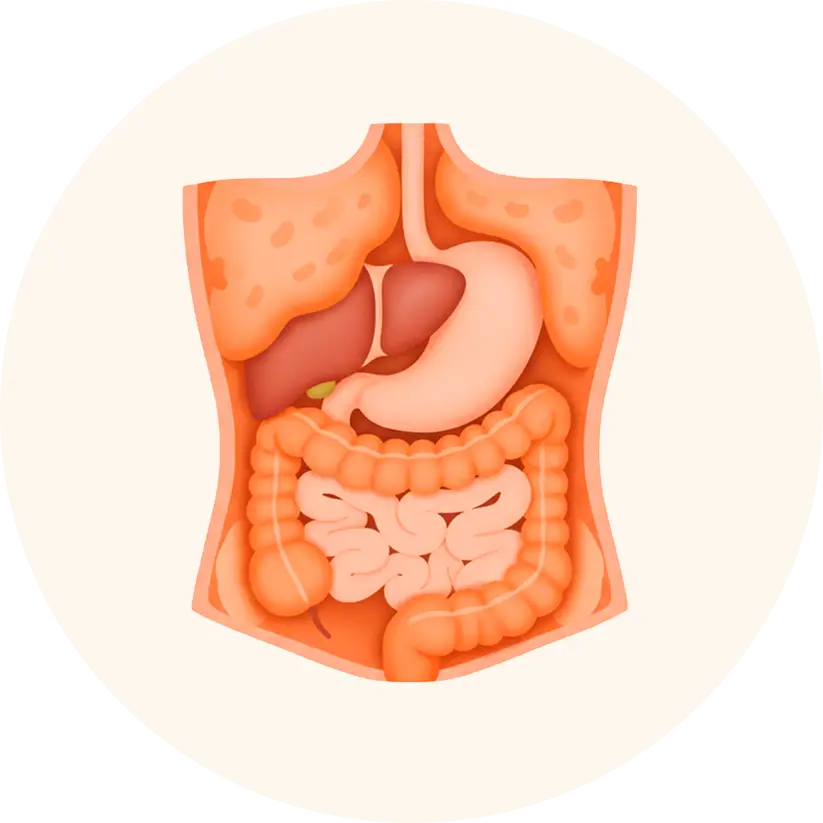
Cardiovascular and metabolic complications
Excess visceral fat can strain your heart, raise blood pressure, and affect blood sugar levels. Even small lifestyle or medical changes can reduce risk and improve long-term health. See how Yesund helps men take control of their metabolic wellbeing.
Psychological & societal factors
Weight challenges aren’t just physical. Stress, mood, body image, and social expectations all play a role in how men experience and manage obesity. Discover how breaking stigma and addressing mental wellbeing can help you move forward.
Testosterone deficiency and obesity
Low testosterone and excess weight often go hand in hand. Extra body fat lowers testosterone, and low testosterone makes it harder to lose weight. Learn how hormones influence energy, strength, and metabolism - and what can be done to restore balance.
ADAM
It is unlikely that you have a testosterone deficiency.
Generally, 8-12 in testosterone is considered a gray area. If you have symptoms, you can be treated. Under 8 are almost always treated. However, you start with a weight loss to see if the testosterone rises. After a new test, an evaluation is made by a doctor. We set the right dose in consultation with the patient. Unfortunately, there is a great deal of ignorance in public health care about testosterone. In addition, there are unfortunately many perceptions about testosterone in society that are completely incorrect. The important thing is not to have a high value, it can even be of evil. The important thing is to have the right value.
What can we at Yesund help with?
Yesund treats patients and those with obesity. We help you on the way to a healthier life.
With the right weight and the right levels of testosterone.


Medical weight loss for men: personalised care that works
Struggling with weight due to hormones or life changes? Discover a medical approach to weight loss tailored to men's unique needs and stages of life.
